AI & Art Student
Serena Dong
My name is Qianhui Dong, but everyone calls me Serena. I'm from Qingdao, China, and I'm a biology student—though my real passion has always been crafting characters and stories. I've been drawn to narrative design for as long as I can remember. Three years ago, I decided I wanted to make a game. I wrote the script, drew illustrations, and built a complete world in my head—but I hit a wall: I couldn't code. For a long time, that felt like an insurmountable barrier. Then AI tools came along, and everything changed. They didn't replace the creative work; they just removed the technical blockade that was keeping me from building what I imagined. I love writing and drawing. I've written script-killer mystery game scripts before, so I understand how to weave clues and red herrings into a tight narrative. That experience directly feeds into the puzzle design of my current project. Right now, I'm about halfway through developing my game. The biggest challenge is time—I'm still a full-time student, so development happens in evenings and weekends. And because every choice in the game branches into different outcomes, even small logic changes ripple through the entire structure. AI helps, but fixing those cascading bugs takes patience. Still, I'm determined to finish. This isn't just a hobby project—it's something I've dreamed about for three years, and I'm closer than I've ever been. I plan to complete and release it, and share this world I've built with others.
The Curator and the Dormant Goddess
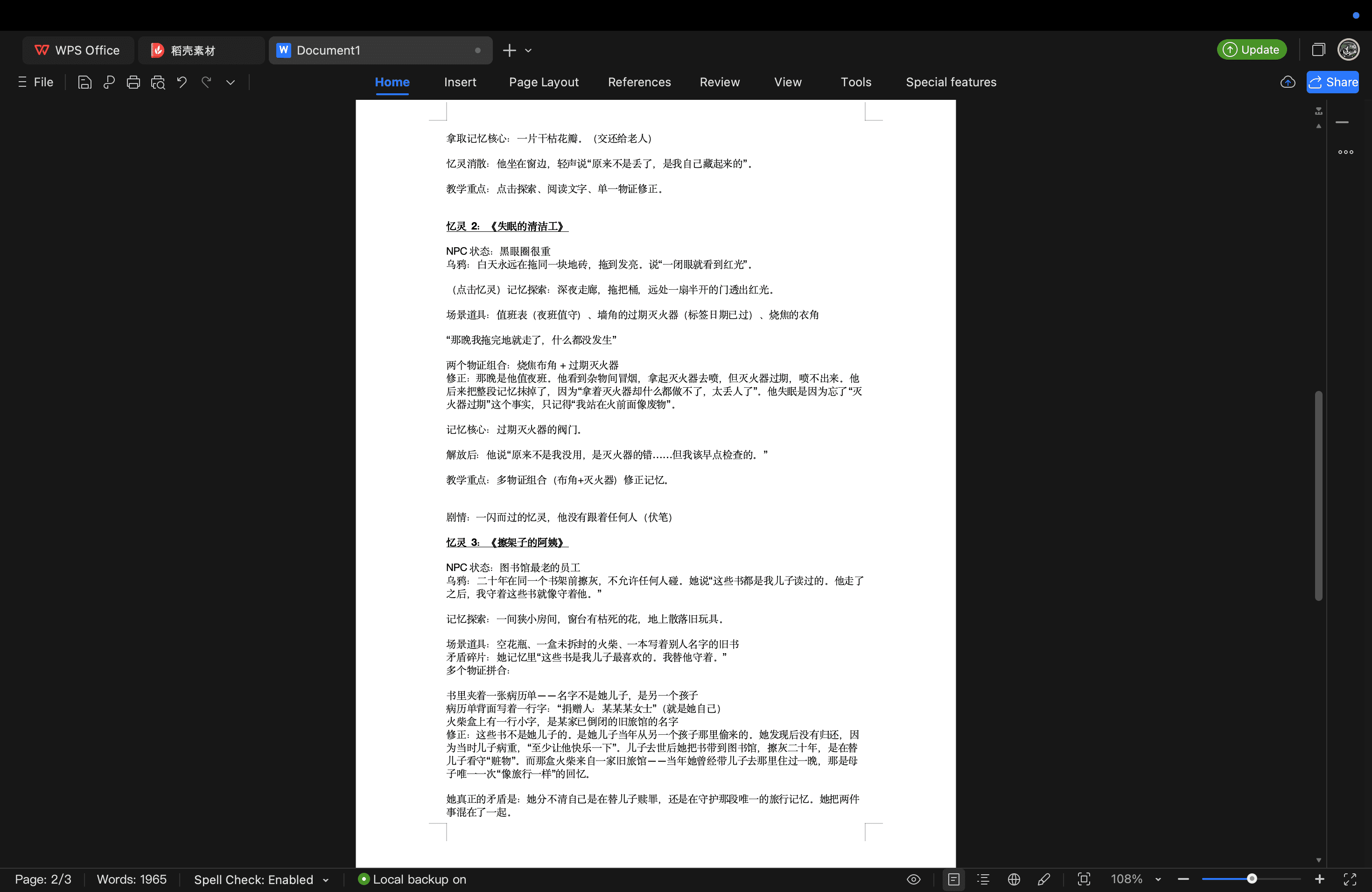
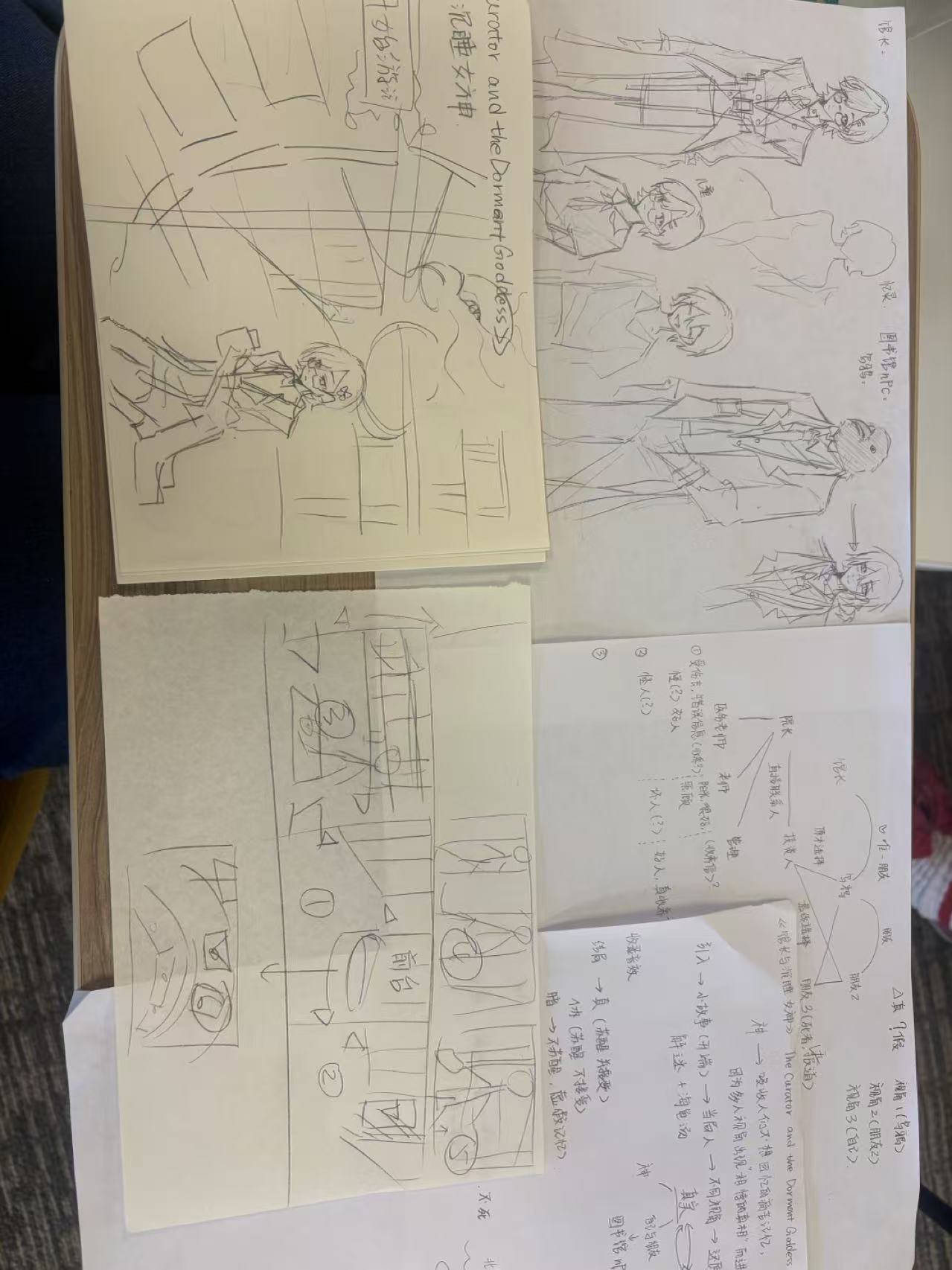
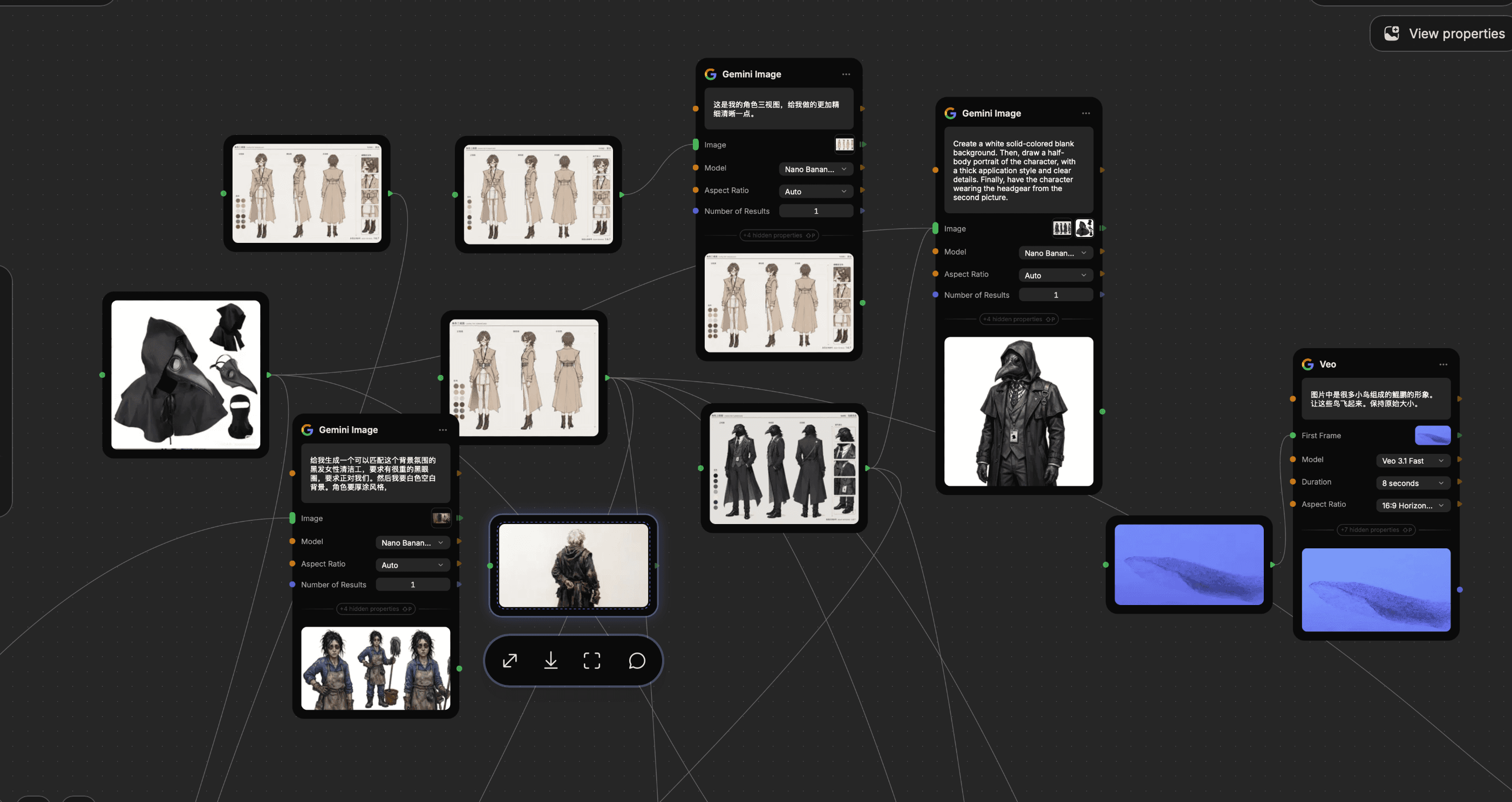
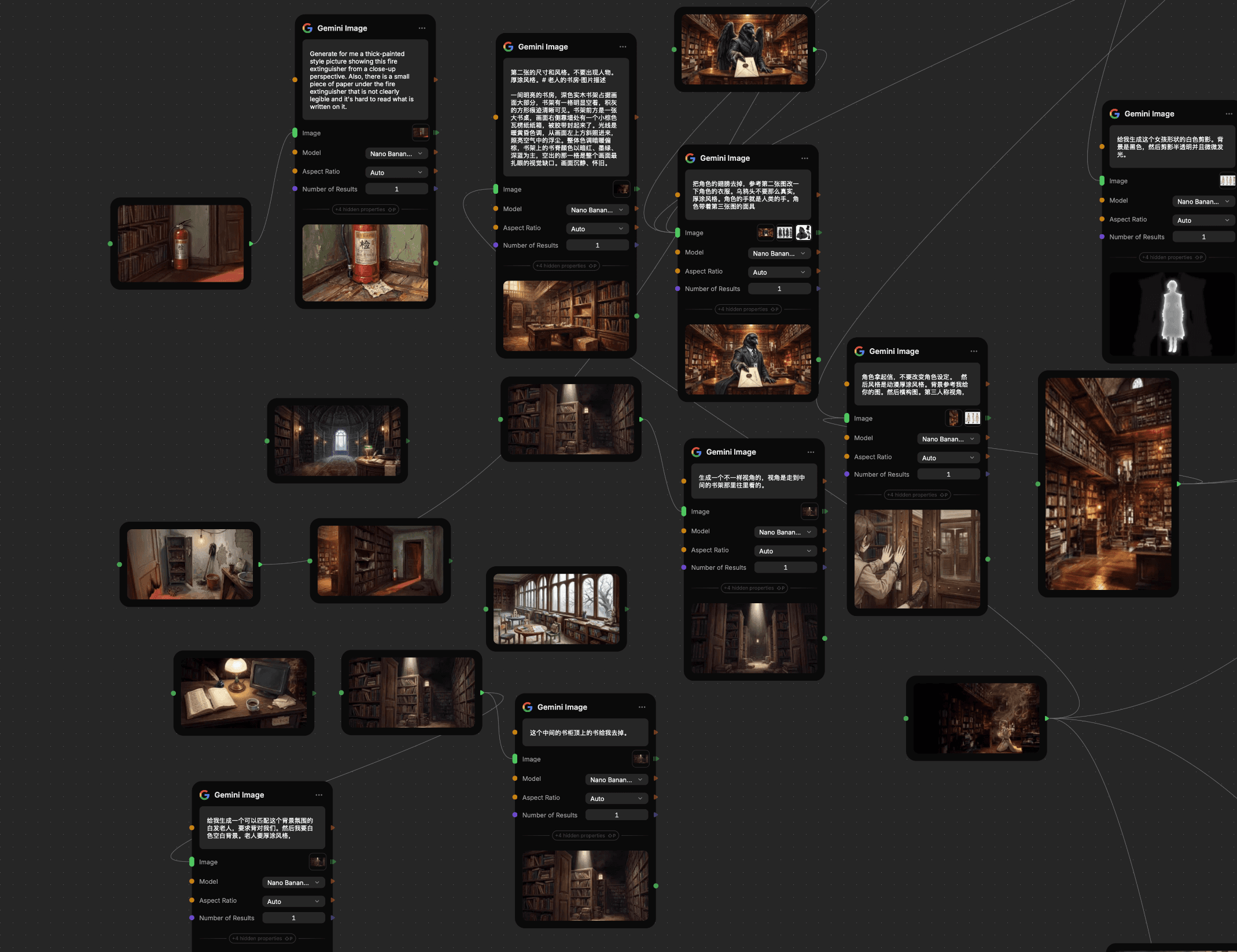
The Curator and the Dormant Goddess is a psychological horror puzzle game inspired by the Rusty Lake series, blending point-and-click exploration with "memory correction" mechanics. You play as a library curator who has lost her memory. She doesn't know that she once lived in an orphanage, doesn't remember the fire that tore through it, and doesn't recall the two friends she left behind. Her only clue is Kunpeng—an ancient Chinese mythological creature that, in this world, feeds on painful memories. Kunpeng has fallen into a deep sleep, overwhelmed by the contradictions she's consumed. The curator must collect and liberate memories, hoping the process will reveal the truth she's buried from herself. Gameplay takes place inside other people's memories. Each memory is a self-contained scene where players find objects, gather evidence, and piece together a version of the truth that contradicts what the memory's owner believes. The core loop is simple: explore, discover contradictions, correct them, collect the memory core, and release the lingering spirit. But as players progress, the fragments start pointing back to the curator herself. The story unfolds through three intertwined perspectives—the curator, a burned friend who traded his voice for a new body, and a third friend who was adopted just before the fire. Each holds a different version of what happened. None of them is entirely right. The game is about how we remember—and how we choose to forget. It asks whether truth can exist when everyone's memory is missing a piece. I'm currently halfway through development. The branching narrative structure makes AI-assisted coding tricky—fixing one bug often creates others—but I'm committed to seeing this through and releasing the full game.
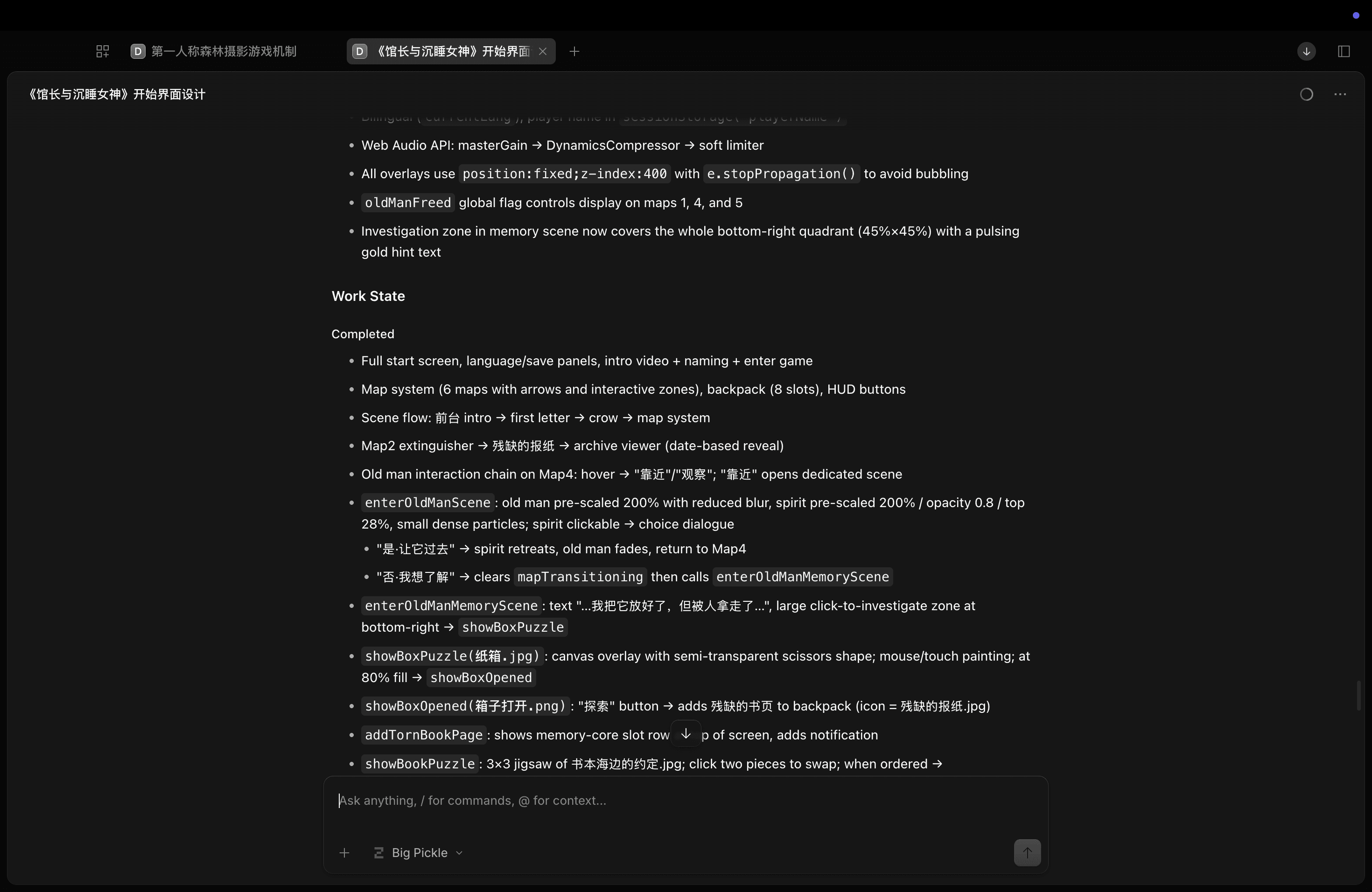
Process Images